This year, the Technology, Art and Design department is strengthening cross curricular connections, beginning with an integrated project between Year 7 Food Studies and Media.
This term, both classes embarked on a collaborative task that quickly proved to be a rich, real world learning opportunity. In Food Studies, students designed a smoothie for a specific customer using the Design Thinking Process. They moved through the stages of Discover, Filter, Ideate, Prototype and Feedback, creating recipes tailored to an active teenager, an elderly person or a fussy eight year old. The task blended creativity, problem solving and nutritional understanding while giving students insight into audience focused product design.
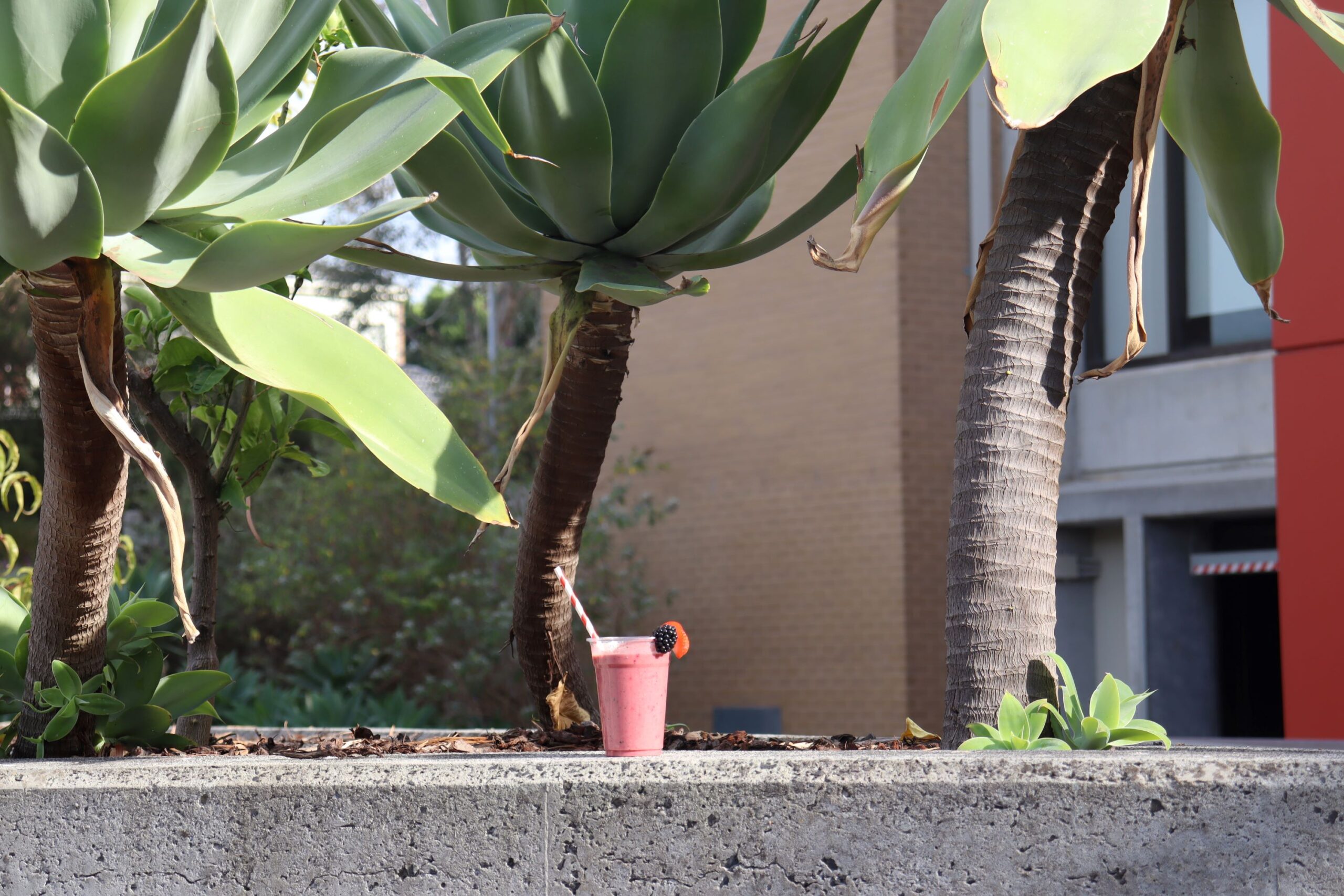
In Media, students developed the visual communication component. They experimented with camera settings, composition, lighting and angles to create images that effectively represented each smoothie concept. A structured planning process supported intentional creative choices and encouraged students to differentiate their work through props, locations and more advanced techniques.
A defining feature of the project was the authentic cross subject collaboration. Food Studies students acted as clients, providing feedback on how their smoothie should be presented. Media students incorporated this input into their planning, demonstrating flexibility, communication skills and a professional approach to creative problem solving.
The inclusion of an external audience and a clear purpose significantly elevated engagement. Students applied their learning in meaningful, visually compelling ways, resulting in a highly positive experience across both subjects and valuable growth in technical, creative and collaborative skills.
This collaboration highlighted the value of cross curricular learning, showing students how skills from different subjects can come together to create purposeful, high-quality work. By combining food design with visual communication, students gained a deeper understanding of audience needs, creative decision making and real-world production processes.