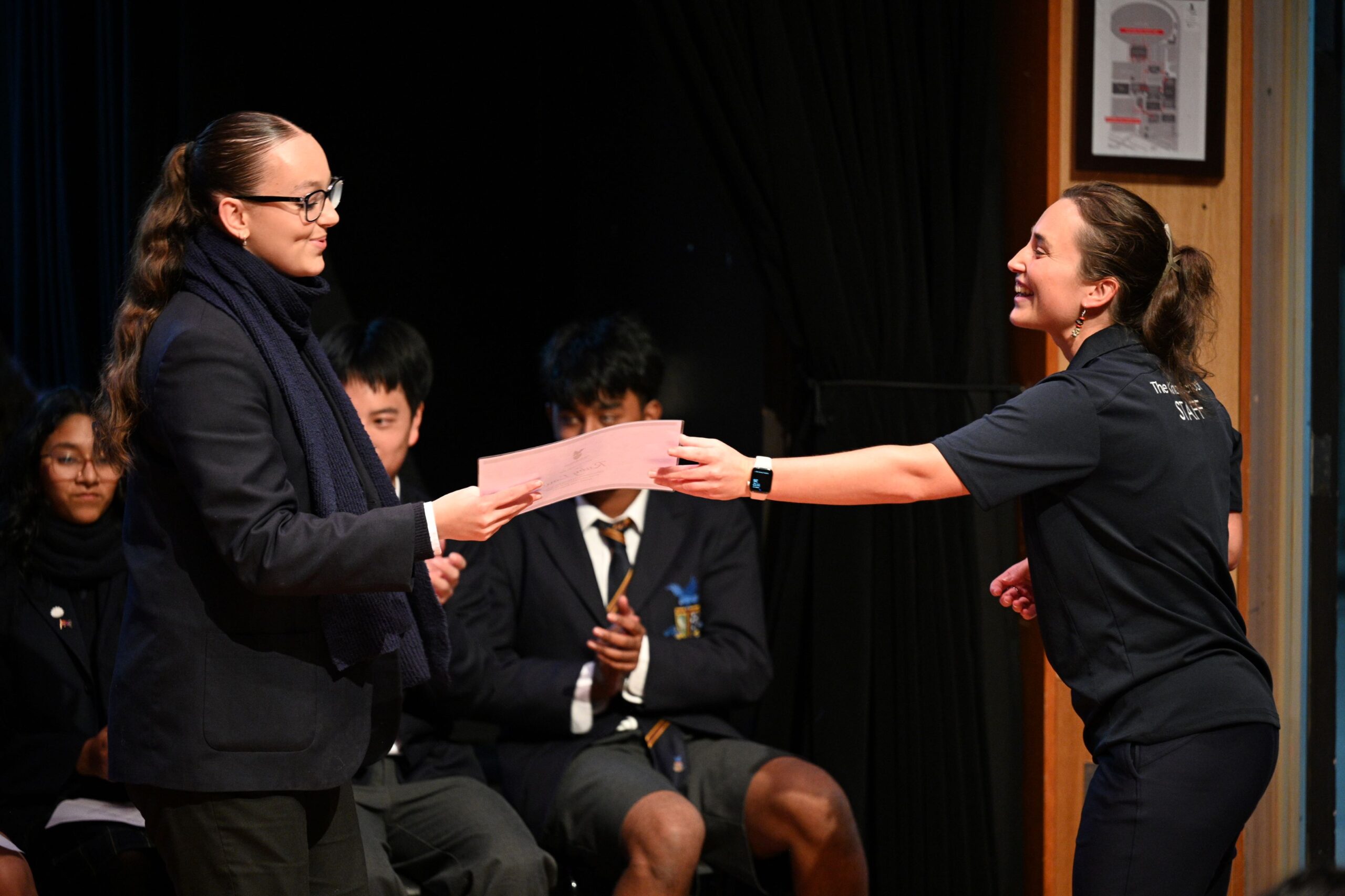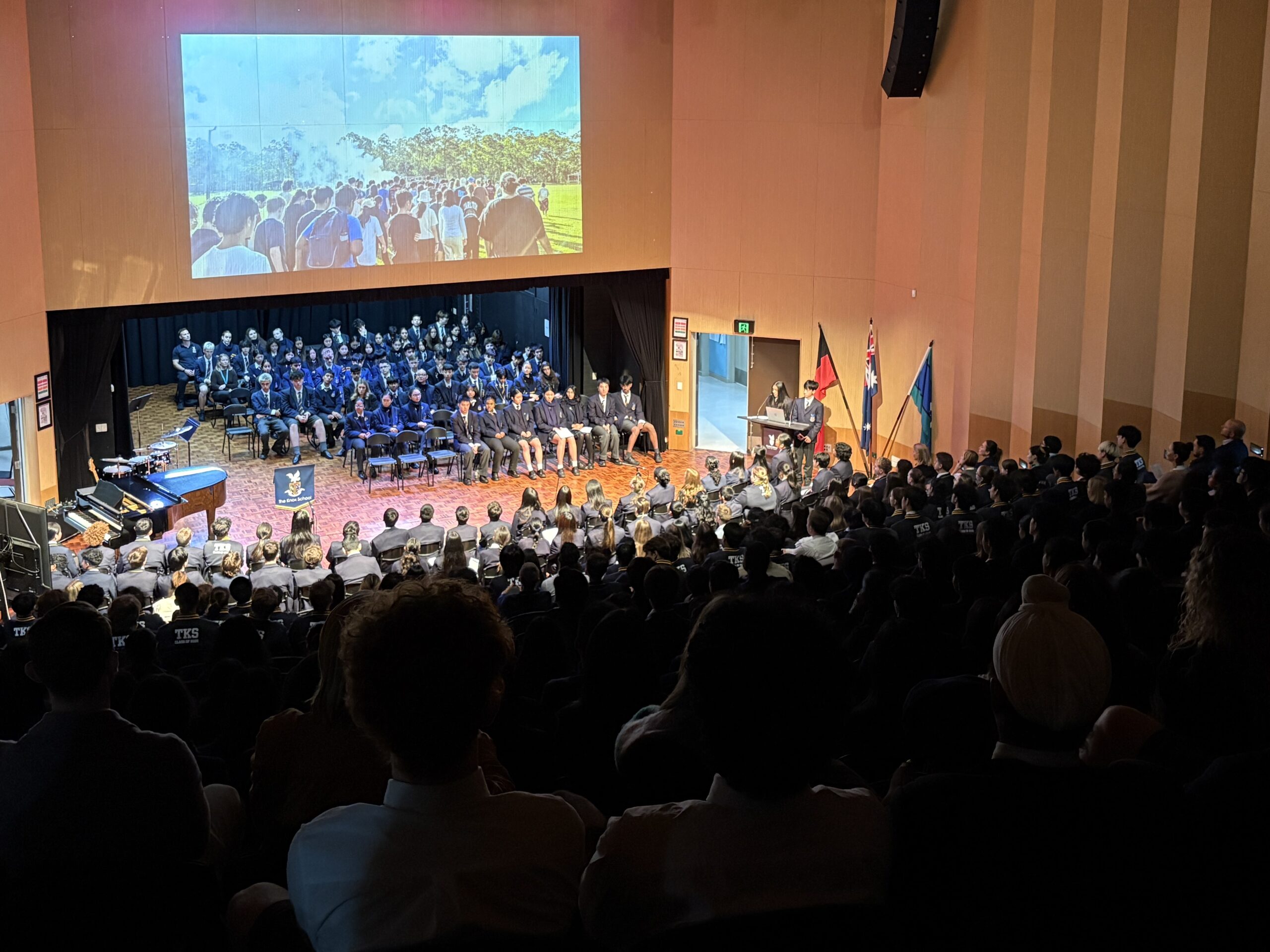
The Knox School community came together for a meaningful and reflective National Reconciliation Week Assembly, centred on this year’s powerful theme: “All In.” The theme calls on all Australians to move beyond being bystanders and instead actively contribute to reconciliation, justice and meaningful change every day.
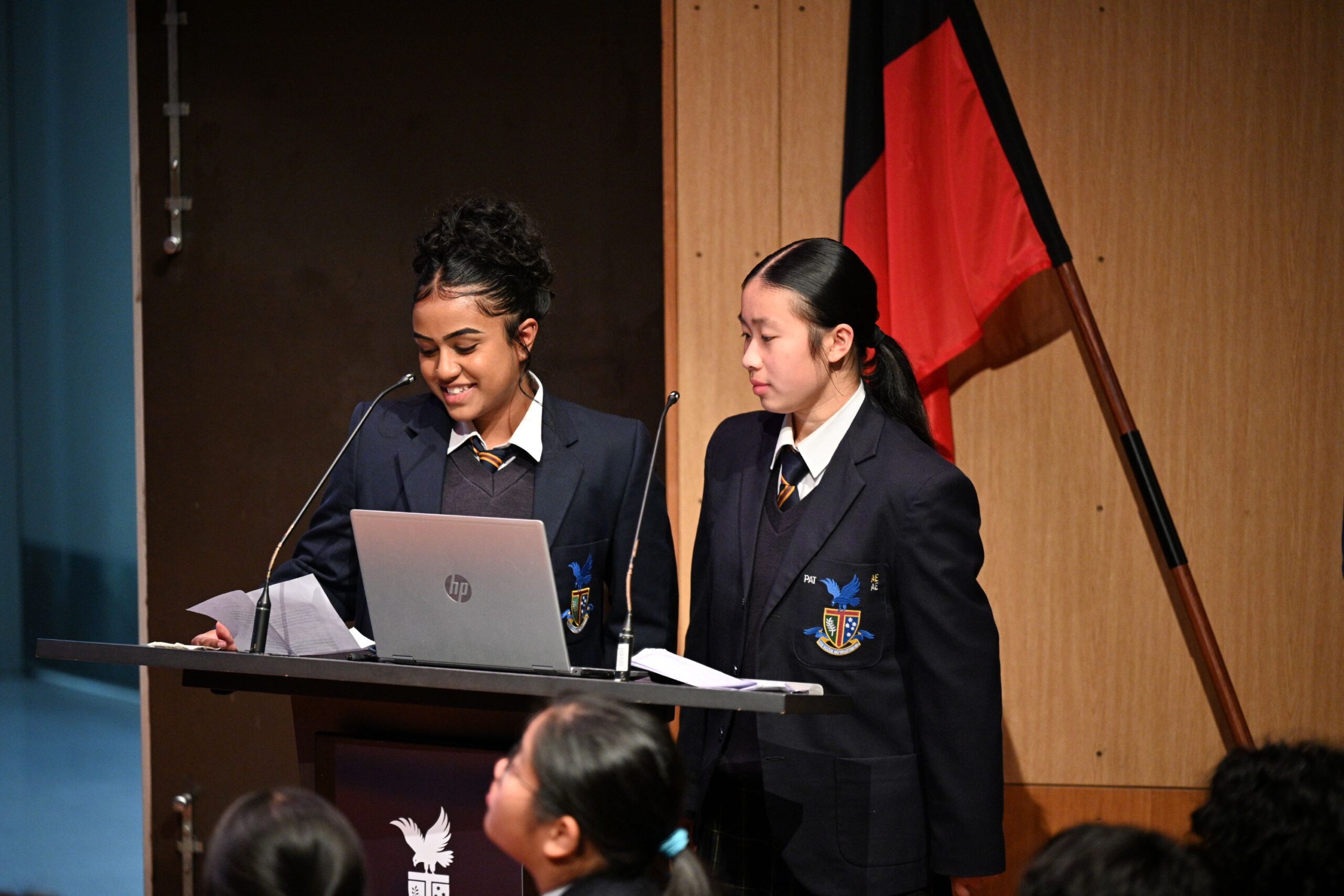
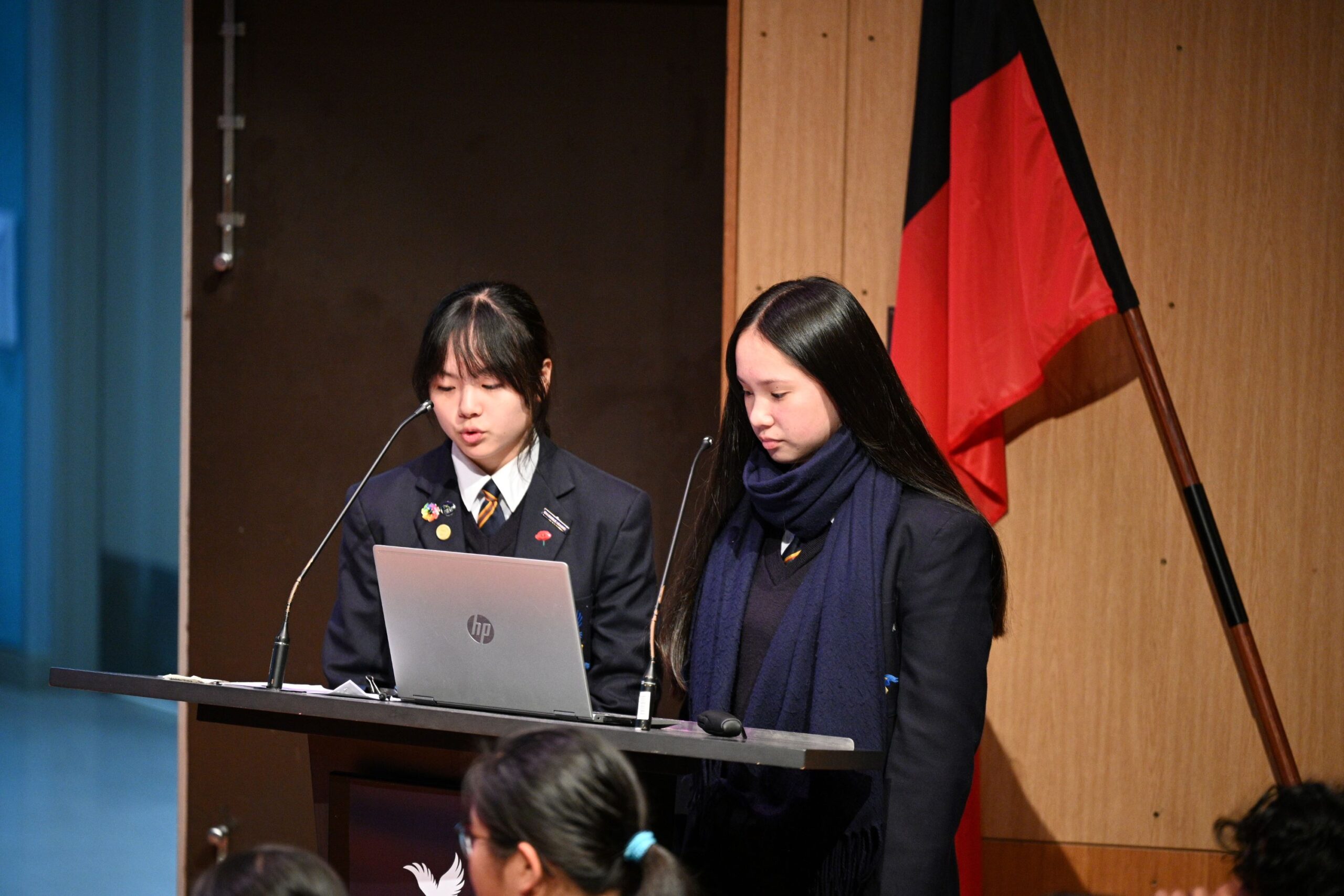
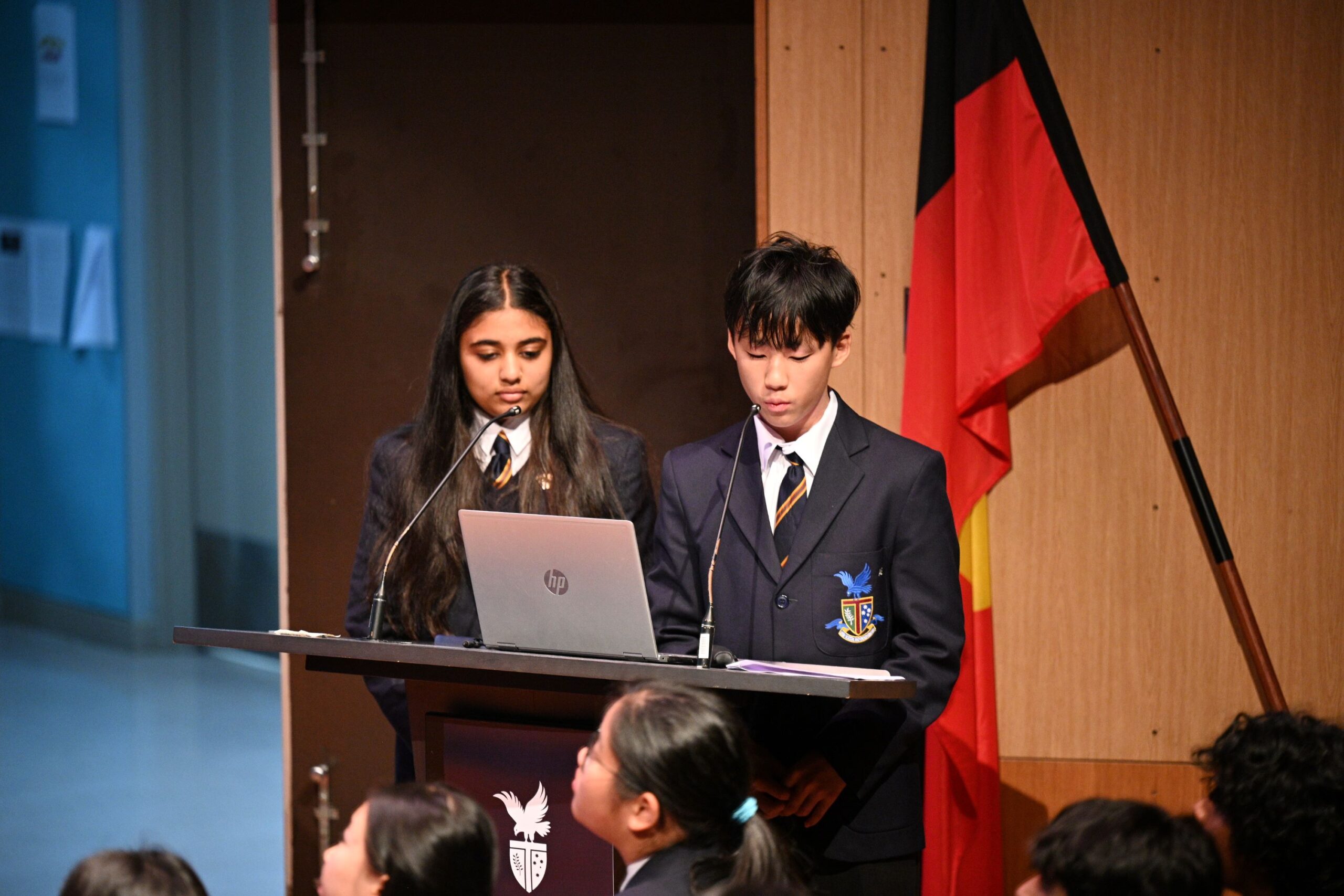
The assembly began with a warm and heartfelt welcome from Year 9 students Irina Zhang and Alecia Feng, who reflected on their recent experience in Arnhem Land before leading the school in an Acknowledgement of Country. Their words brought a sense of calm and reflection to the room, encouraging everyone to think more deeply about connection, gratitude and respect.
Irina and Alecia shared how their time on Country with the Yolngu community had been more than just a camp experience — it had been an opportunity to learn about culture, identity and personal growth. They spoke about the Yolngu teaching of having a “Strong Spirit, Strong Body and Strong Mind,” explaining how true strength comes from understanding yourself, making thoughtful decisions and staying connected to your values, goals and community. Their reflection highlighted how balance between mind, body and spirit can help young people grow into more resilient and confident individuals.
The students also reflected on the importance of nature and the deep connection the Yolngu people share with the land. Through storytelling, healing sessions and time spent on Country, they learned to slow down, listen carefully and appreciate the sense of comfort and strength that nature can provide. What stood out most in their reflection was the gratitude they felt for the generosity and kindness shown by the Yolngu community, who welcomed them with open arms and shared their stories, traditions and way of life with great pride.
This personal reflection flowed naturally into their Acknowledgement of Country:
We respectfully acknowledge the Wurundjeri Woi-wurrung people, the Traditional Custodians of the land on which we gather, learn and live, and pay our respects to their Elders past and present. We extend that respect to Aboriginal and Torres Strait Islander people here today.
The acknowledgement carried even greater meaning after hearing the students’ reflections from Arnhem Land. It set a thoughtful and respectful tone for the morning, reminding the school community of the importance of listening, learning and recognising the enduring connection Aboriginal and Torres Strait Islander peoples have to Country.
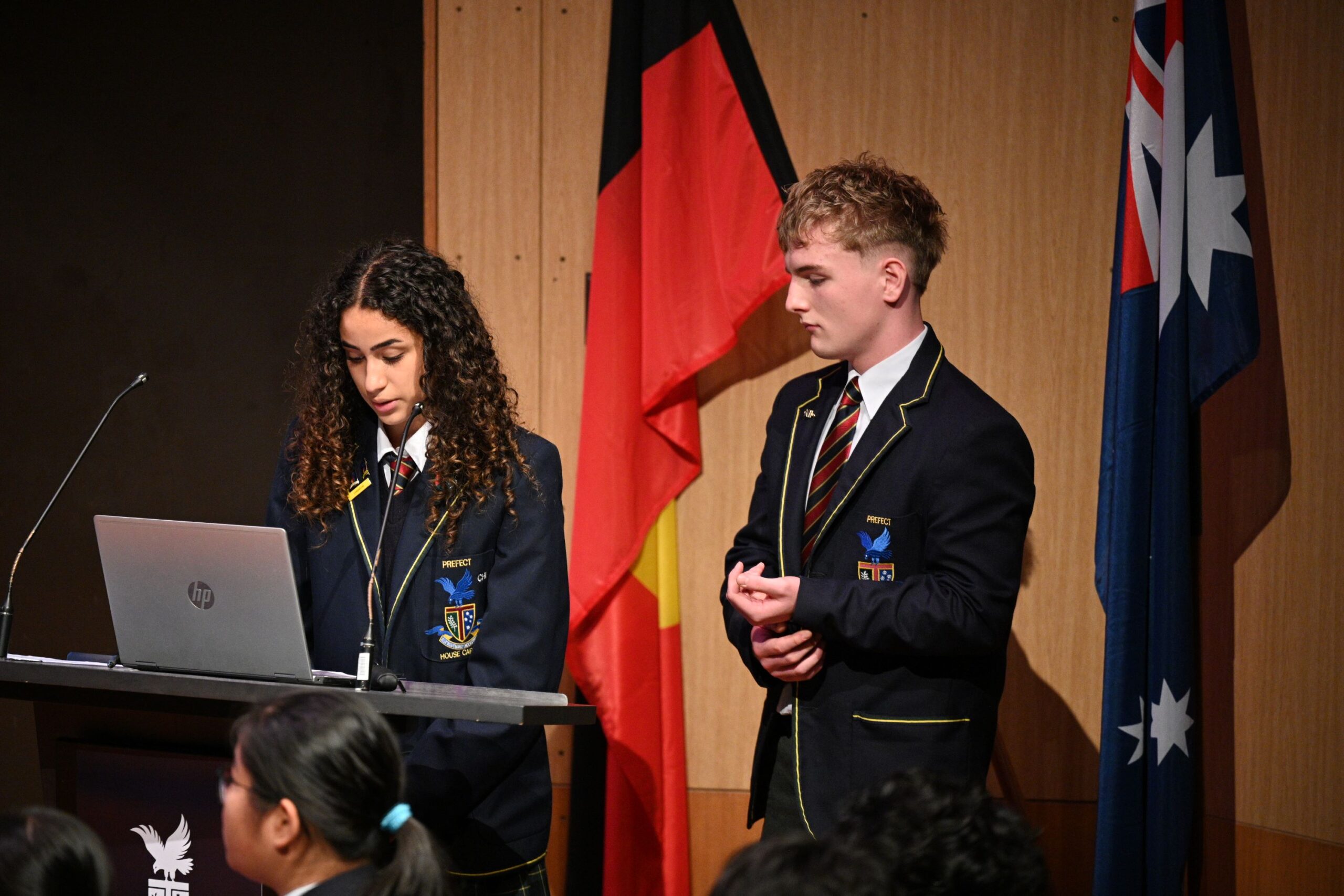
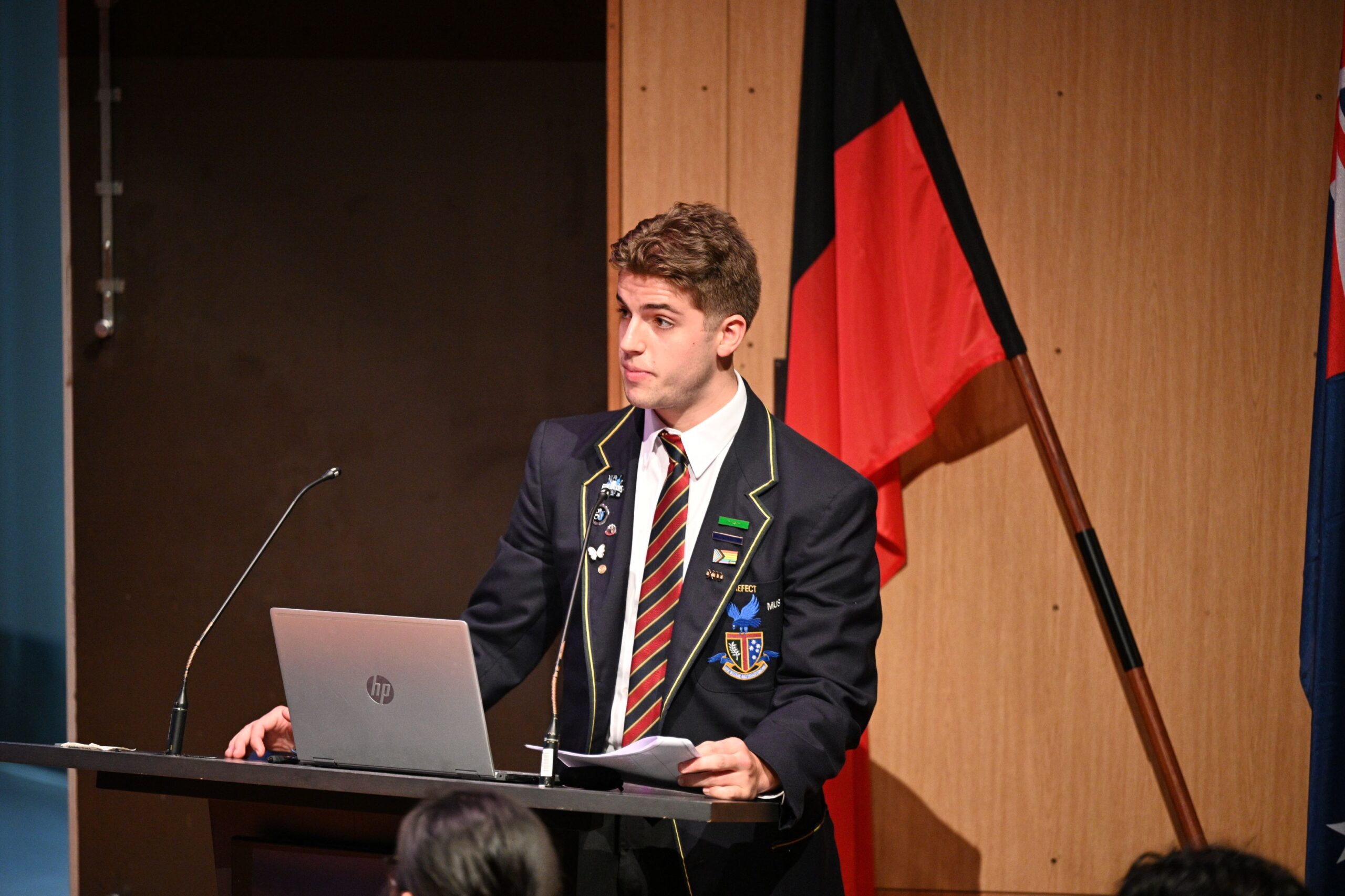
Social Justice, Diversity & Inclusion Prefects, Hannah Abdel-Hafez and Emilio Hobbs, then introduced the significance of National Reconciliation Week, highlighting that it runs each year from 27 May to 3 June. These dates commemorate two key milestones in Australia’s reconciliation journey:
27 May 1967 Referendum – when over 90% of Australians voted to amend the Constitution and remove discriminatory clauses impacting Aboriginal and Torres Strait Islander peoples.
3 June 1992 Mabo Decision – when the High Court recognised the land rights of Aboriginal and Torres Strait Islander peoples, overturning the concept of terra nullius.
Students were reminded that while progress has been made, reconciliation is ongoing and requires commitment from everyone.
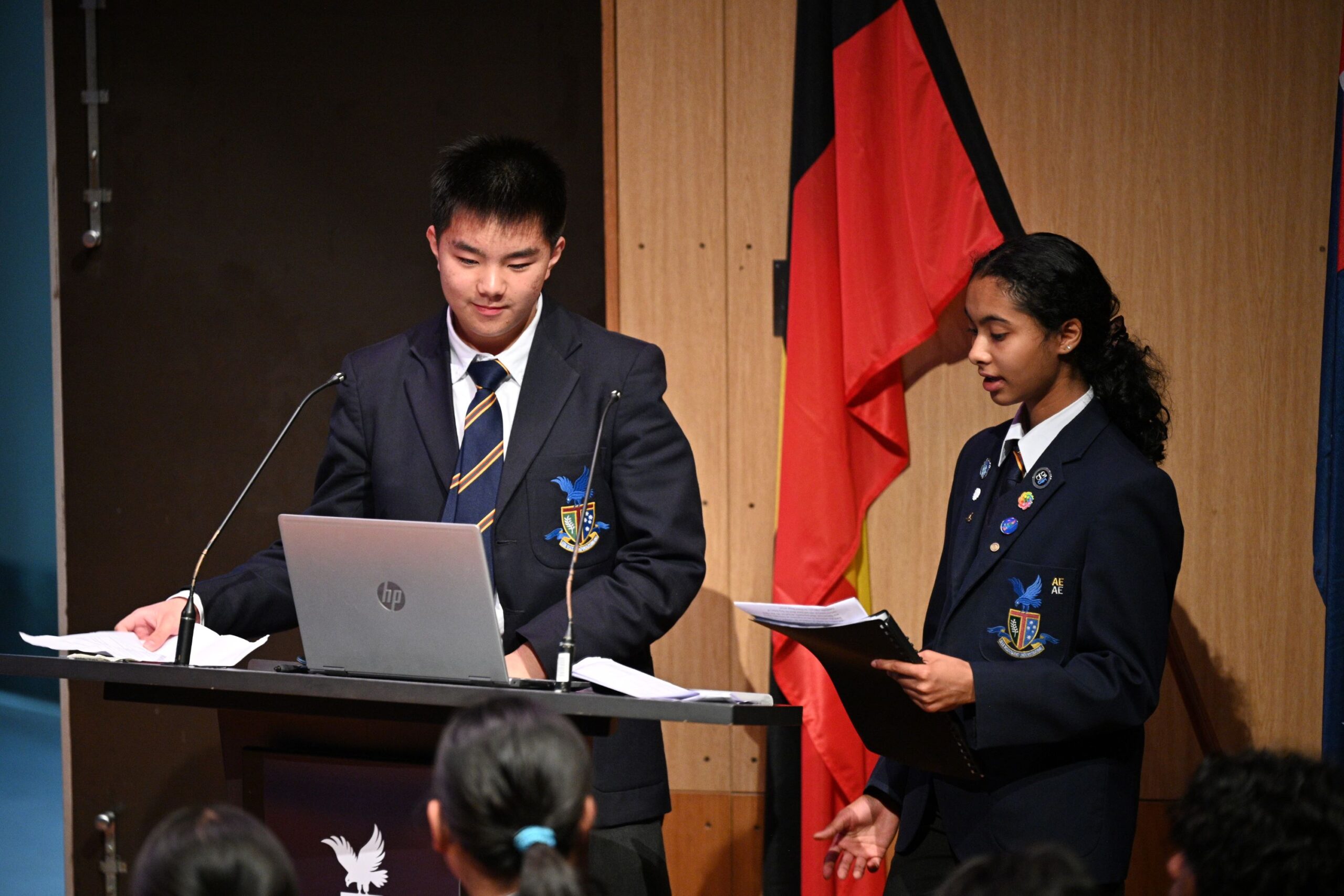
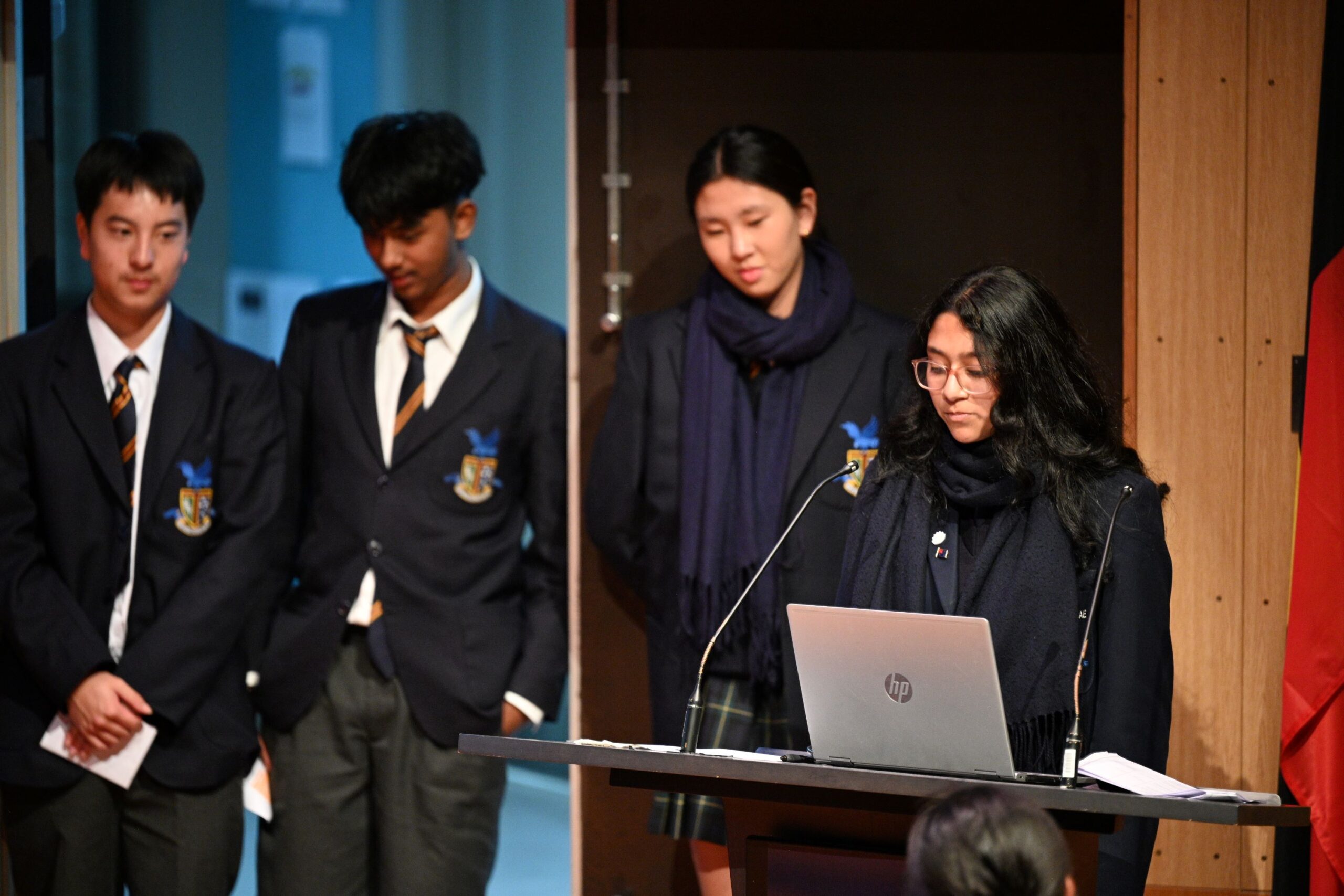
A highlight of the assembly was the heartfelt reflection from Year 9 students Aarna Bavadiya and Oscar Shan, who recently returned from a transformative experience on Country in East Arnhem Land.
Through their words, we gained insight into the deep cultural learning that took place. Students connected with Yolngu people, participated in traditional practices, and experienced life on Country in ways no classroom could replicate.
They spoke about:
- Learning traditional skills such as spear making and bush medicine
- Participating in ceremonies and cultural storytelling
- Experiencing the profound connection between people, culture and land
- Building genuine relationships with the Yolngu community
Their reflections emphasised how the experience fostered respect, understanding and personal growth. The sense of kinship, guided by the Yolngu concept of Gurruṯu (connectedness and relationships), left a lasting impact on both students and staff.
Year 9 mentors also commended the cohort for their resilience, empathy and respect, noting that the group demonstrated outstanding maturity and became a supportive “family” throughout the journey.
Music played an important role in the assembly’s reflection and celebration.
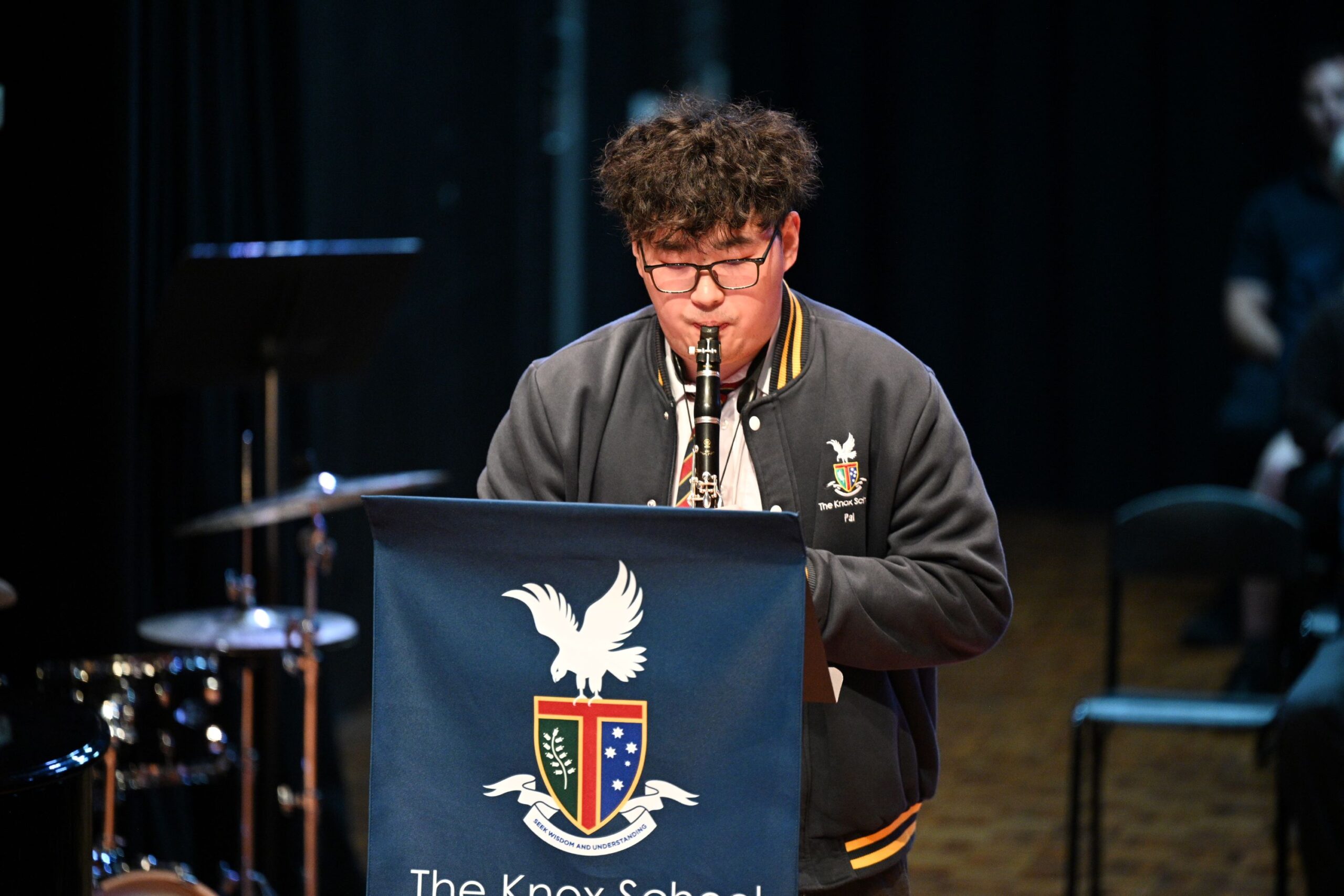
Year 12 student, Alex Peng, performed Promise of the World by Joe Hisaishi, offering a quiet moment of reflection.
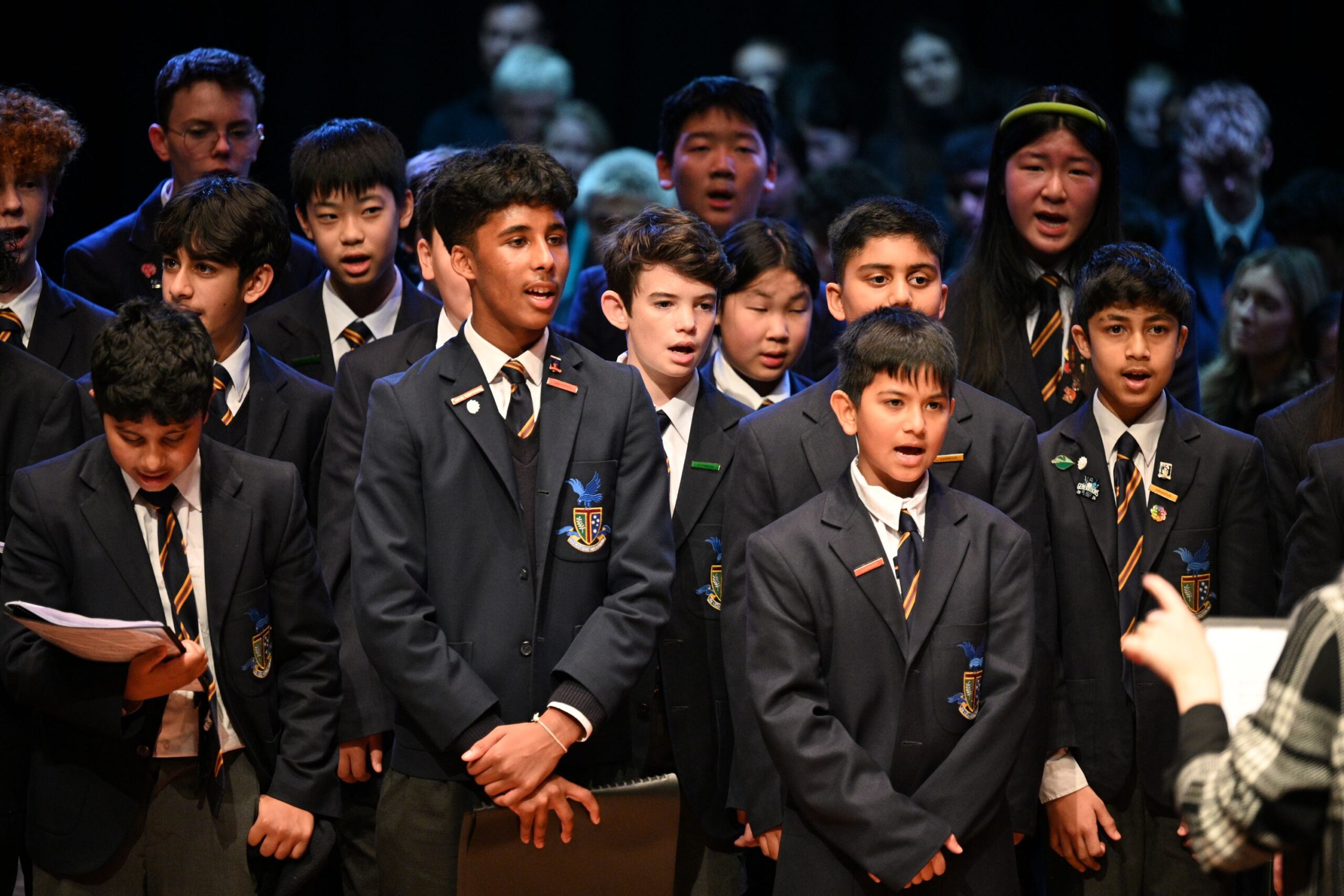
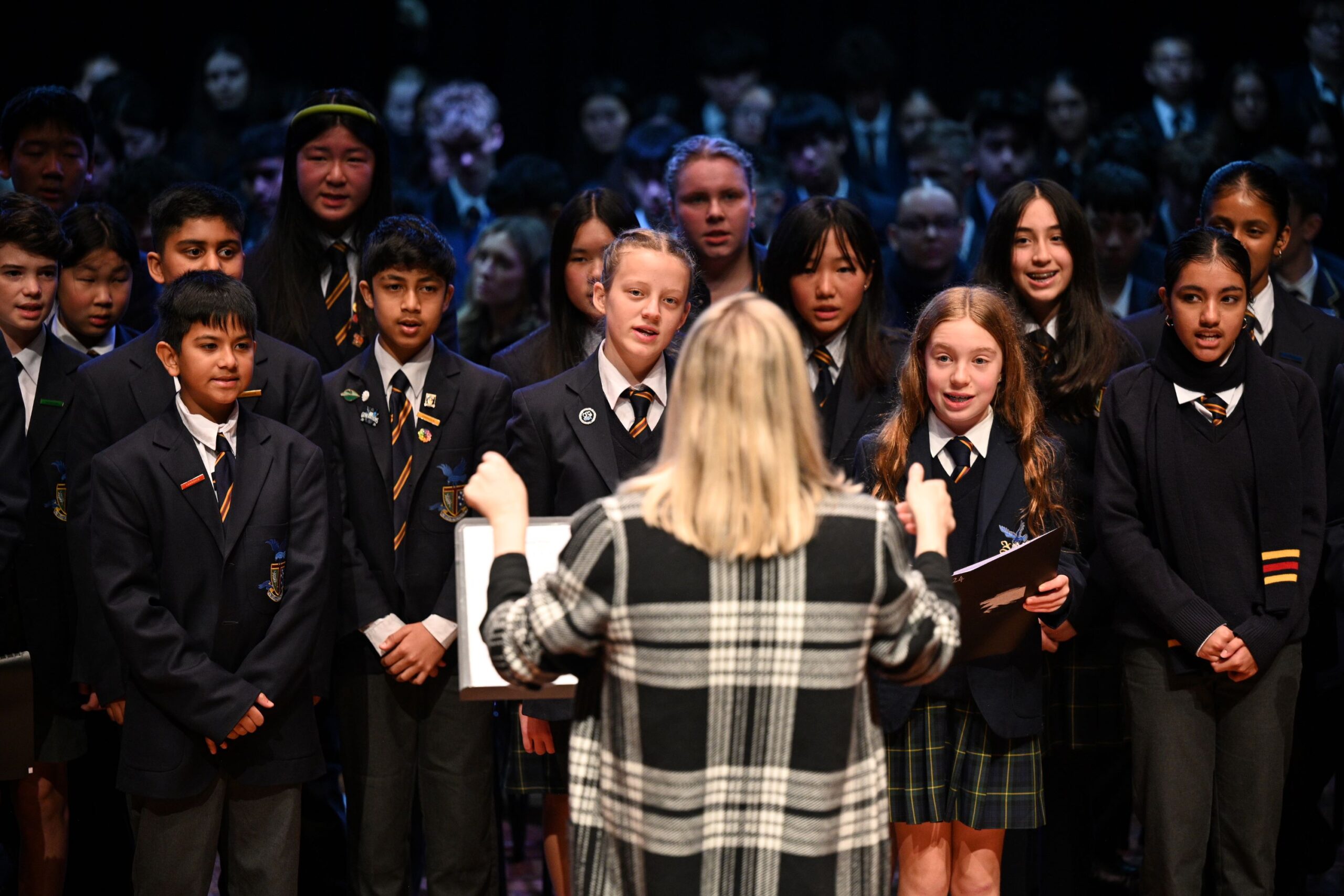
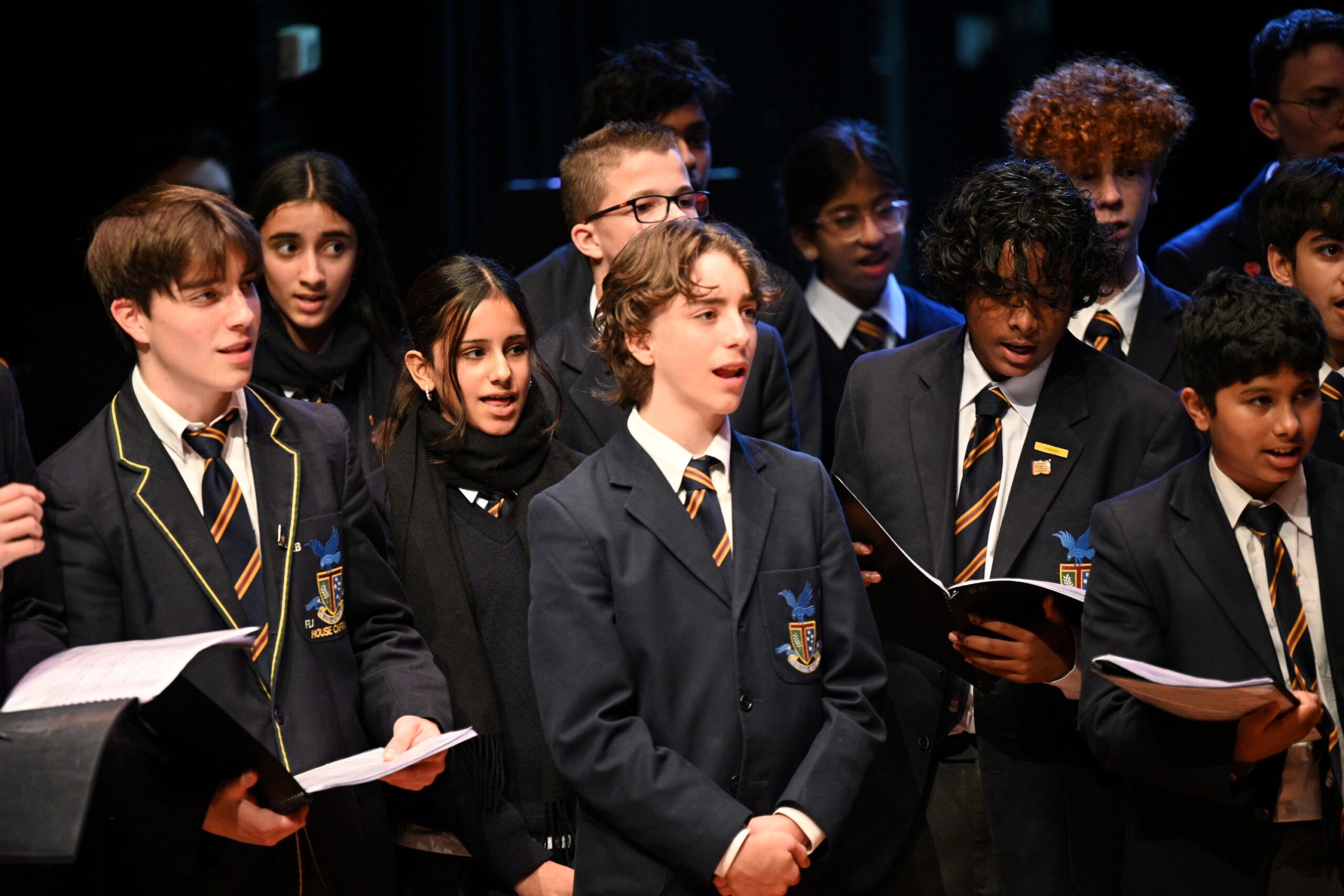
The Senior School Choir delivered a powerful performance of Solid Rock by Goanna. The song highlighted themes of land, history and justice, reinforcing the assembly’s message of truth and reconciliation.
- Speaking up against injustice
- Building understanding and respect
- Supporting First Nations communities
- Taking personal responsibility for change
As shared in the closing message:
Let us be “All In” in our collective efforts towards reconciliation.
This assembly was a powerful demonstration of The Knox School’s commitment to inclusion, respect and ongoing learning. Through reflection, storytelling and shared experiences, students were reminded that reconciliation is not just a concept, it is a responsibility we all carry.