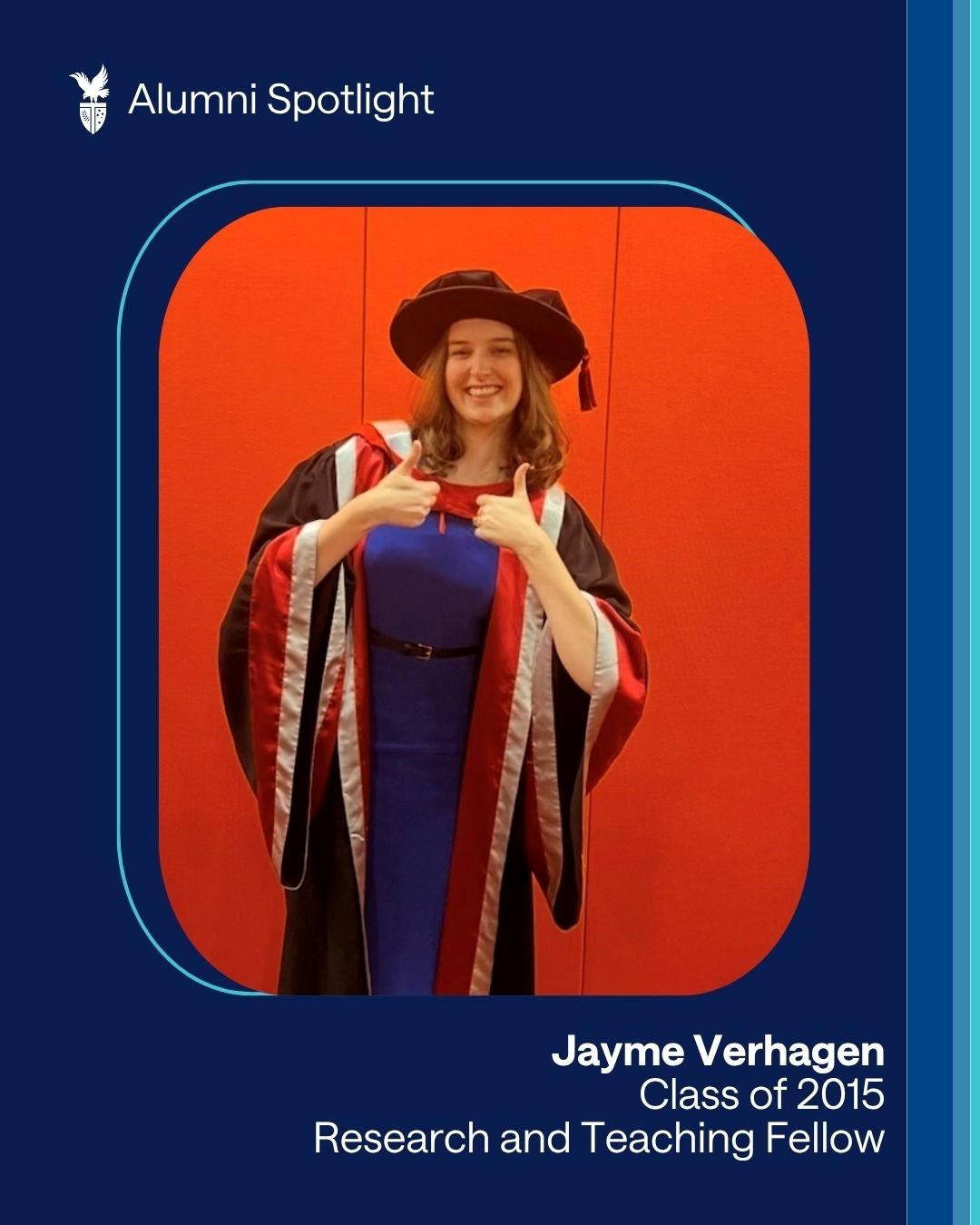
The Knox School is the place that sparked my love for teaching and instilled in me a deep-seated appreciation of the value of social connection. Through bands, choirs, musicals, plays and camps, I found the joy of performing, but more importantly, a sense of belonging. Each brought together people around a common interest, breaking down many of my younger self’s insecurities about connecting with students in higher year levels or those I looked up to. In these groups, working together towards a common goal, I felt welcomed, valued and like I belonged.
The teachers at The Knox School also had a significant impact on my journey, particularly through their recognition that not every student learns in the same way. I still remember Ms Manners sitting down with me over a Year 12 language analysis essay and explaining it in a way that suddenly made everything click. That moment of understanding brought such joy, confidence, and the desire to foster those moments for others. Through tutoring during Senior School, teaching became something I knew I wanted to remain ever-present throughout my career, in whatever capacity that might take. Now, as a university educator, seeing that same “aha!” moment in my own students is one of the most rewarding parts of teaching.
After Year 12, I took a gap year that fostered considerable personal and professional growth through working, tutoring, teaching, and travelling. This included returning to The Knox School to help teach Year 8 dance and assist on the school’s New Zealand ski camp. I then studied a Bachelor of Arts (Honours) in Media and Communications and Creative Writing at the University of Melbourne, where I developed a love for research: becoming completely absorbed in a topic, breaking it down, gathering and analysing data, and translating those insights into something meaningful.
This fed into my first graduate position on the HILDA (Living in Australia) project, where I was promoted to Project Manager of Sample and Systems. Despite being surrounded by data, what stayed with me were the people behind it. I remember the initiatives informed by their experiences and, even more so, messages from participants describing the difference that one interview, and simply having someone to talk to, could make.
My plan had always been to spend five years in industry before returning to academia. But when two Masters by Research positions on social connection were advertised, I knew I had to apply.
I delved into the world of social connection, including its stories, measurement and possibilities, and that Masters soon became a PhD. Through it, I developed a strengths-based, multidimensional measure of social connection that has since moved beyond academia into practice and is now used by councils, not-for-profit organisations, mental health and social prescribing organisations, researchers, and community organisations.
My research has taken me from a national perspective to organisations, residential aged care and intergenerational programs, and community sport; it has also led to academic publications, conference presentations, practical industry resources, and opportunities to contribute to major funded research projects. Alongside this, I have taught across several university disciplines. Perhaps most rewardingly, people now reach out to me to discuss social connection and its measurement, and I have the privilege of working alongside people I once would have only looked up to. I have found a network of people united by a desire to understand and enhance social connection that has fostered many of those same feelings of warmth and belonging I first experienced in The Knox School’s bands, choirs, musicals and plays.
Perhaps the most wonderfully full-circle moment was returning to Knox this year to speak to Year 9 students about social connection, the very thing I had experienced so strongly there, and which had ultimately become the basis for my career. But I think some of the most meaningful moments in my role come from seeing social connection in action: observing the joy shared between teenagers and older people through an intergenerational program; seeing friendships, social support, and belonging fostered through community sport; and seeing how simple questions can open conversations in residential aged care. It is in these tangible moments that the data becomes people again.
My career has been anything but linear, and I hope it stays that way. I have been fortunate to curate a path where learning is ever-present: where I can work with people I admire, investigate questions that matter, teach, and see the tangible impact of social connection in people’s lives.
My advice to students is to look for what brings you joy and follow it. Be open to possibilities and try everything that resonates with your values. You don’t need to know exactly where you’re going to start moving towards something meaningful.