What if finding your way around campus was as easy as opening an app? Or getting help with your learning was as simple as having a conversation with an AI assistant?
These are exactly the kinds of questions our VCE Applied Computing students have been exploring as they put their innovation, creativity and technical skills to the test.
As part of Unit 2 Outcome 1, students investigated emerging technologies and challenged themselves to develop digital solutions that address real-world needs. The result is a collection of impressive student-created projects that showcase the next generation of problem-solvers at TKS.
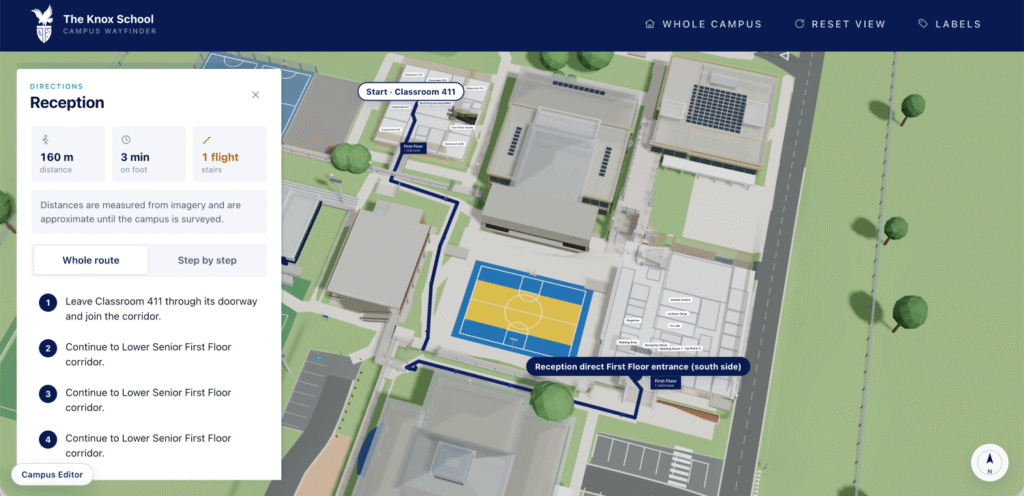
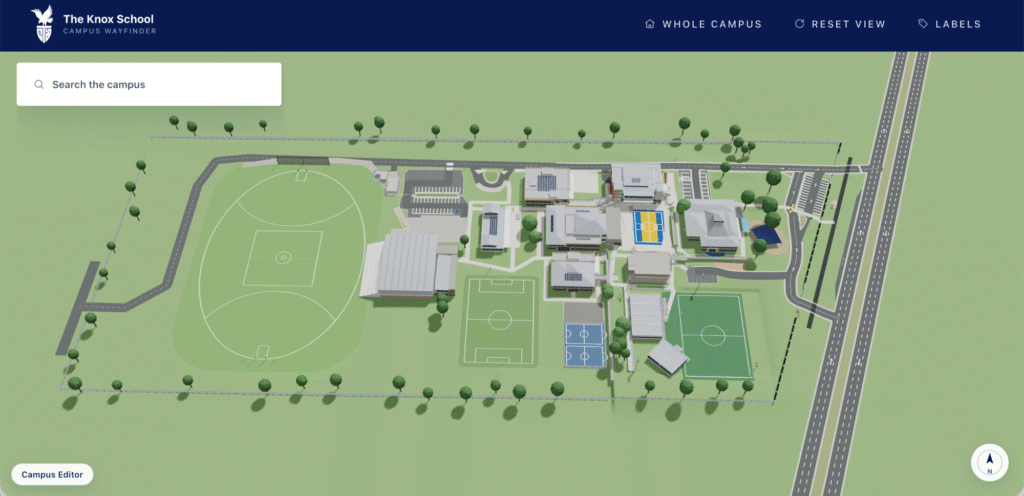
Caden C (Year 11) and Aarav Y (Year 11) developed Campus Wayfinder, an interactive application designed to help students, staff and visitors navigate The Knox School campus. To bring their idea to life, the students researched campus mapping systems and photographed key locations across the School, creating a practical and user-friendly tool that could enhance everyday experiences on campus.
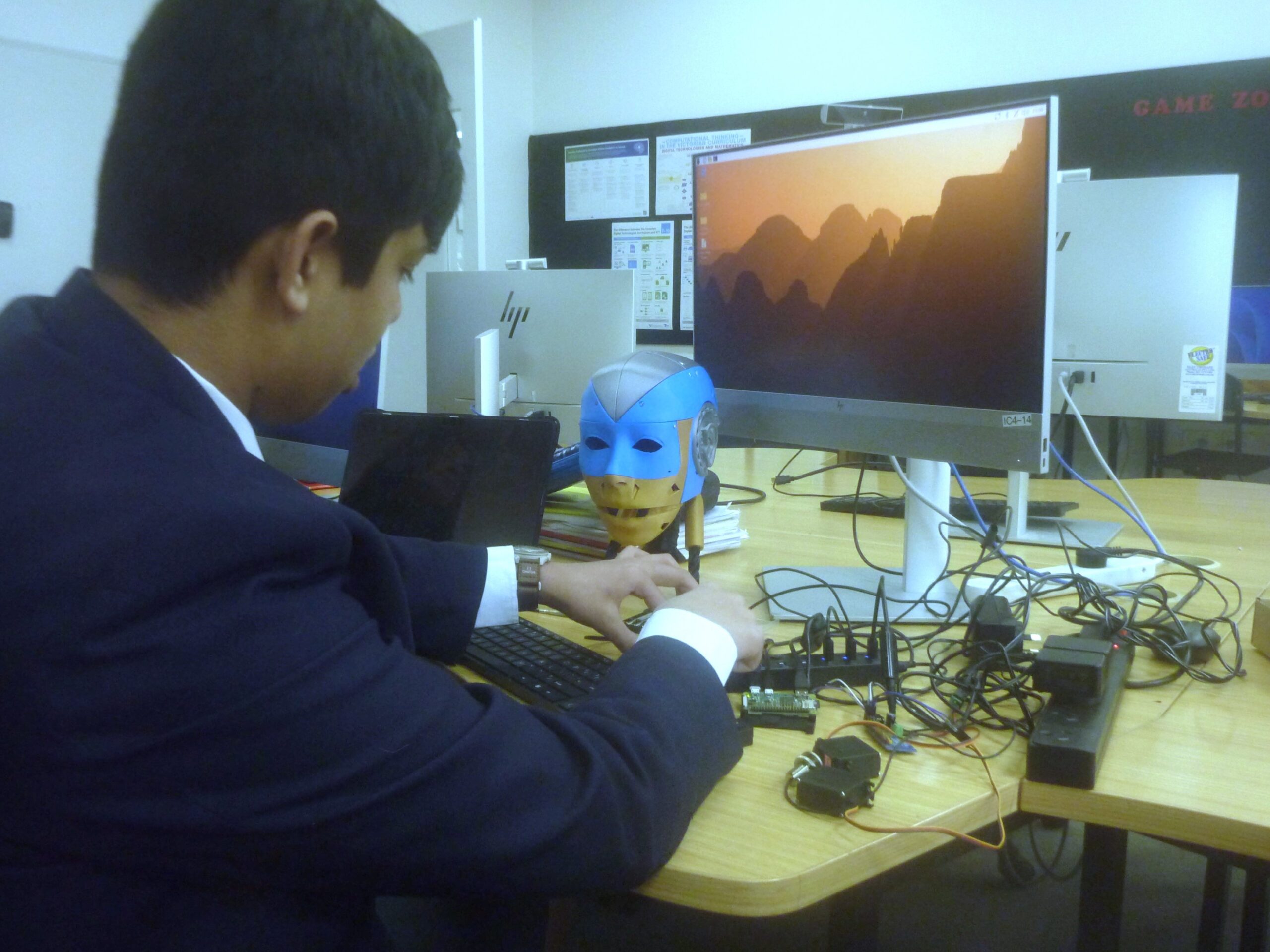
Achint V (Year 10) and Liam C (Year 11) created Nexa Companion, an AI-powered learning assistant that responds to questions in a natural, conversational way. Their prototype explores how artificial intelligence can support learning, improve access to information and help students engage with content in new ways.
While the technologies behind these projects may be cutting-edge, the thinking process behind them is what matters most. Students identified challenges, researched emerging trends, designed solutions and transformed ideas into working prototypes, mirroring the innovation practices used by professionals in the technology industry.
With two additional projects still in development, the work of our Applied Computing students highlights more than just technical expertise. It demonstrates curiosity, creativity and a willingness to tackle complex problems, all skills that will be increasingly valuable in a rapidly changing world.
At TKS, innovation is not simply about learning new technologies. It’s about empowering students to imagine what could be next and giving them the confidence and skills to create it.