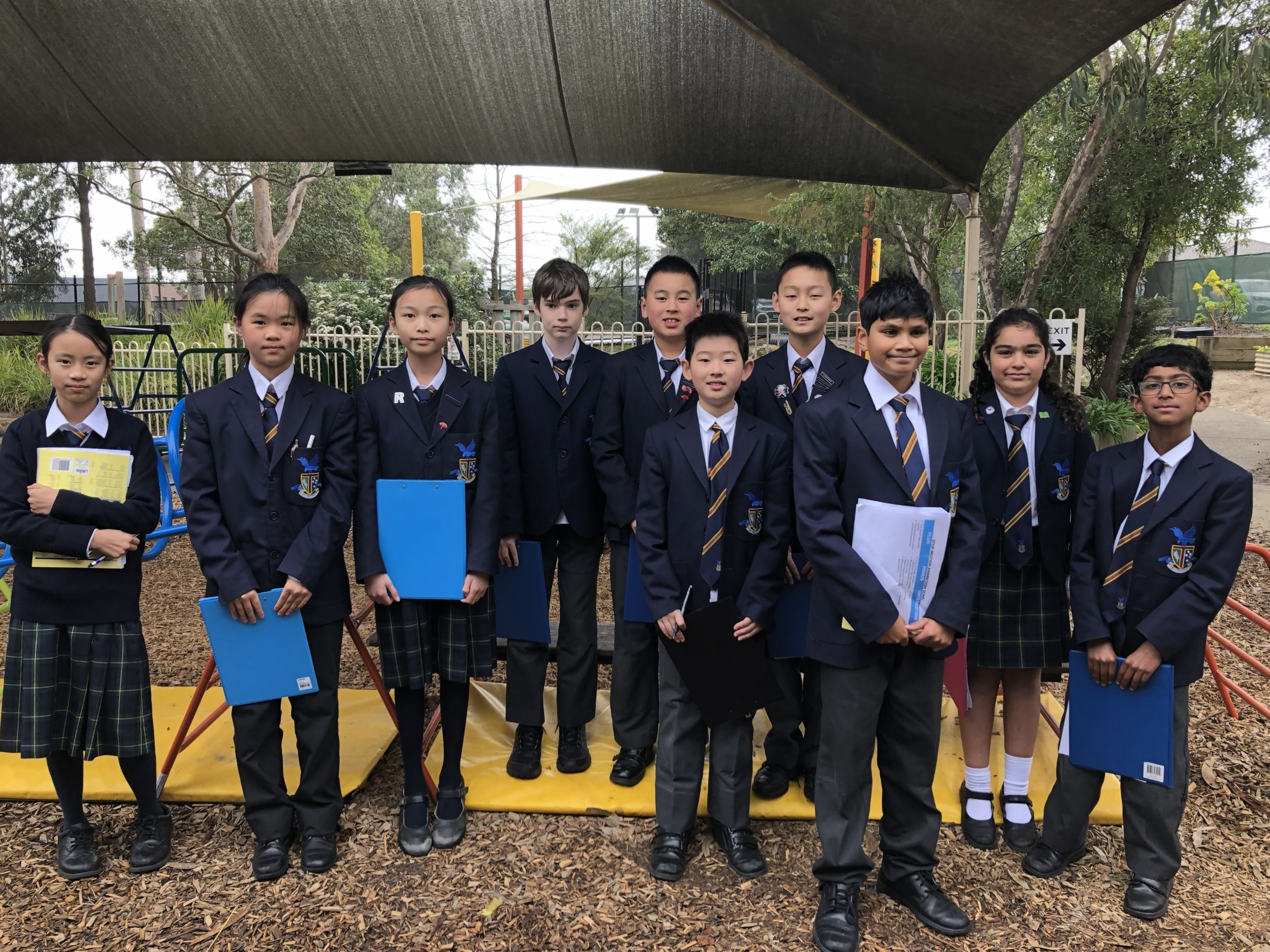
What does it take to create road safety resources that genuinely connect with young children? This term, our Year 5 students are finding out through an authentic Knoxpedition project that places them in the role of researchers, designers and problem-solvers.
Working with local preschool Kinderlea, students have been challenged to create engaging road safety resources for young learners. Rather than making assumptions about what preschool children might enjoy, students are taking the time to get to know their audience, gathering authentic feedback directly from Kinderlea’s children and educators throughout the design process.
Working in teams of four, one representative from each group visits the preschool during key stages of the project. These visits provide valuable opportunities to ask questions, test ideas and learn more about the interests, needs and learning preferences of their young audience. From favourite characters and activities to the most effective ways to communicate important safety messages, every piece of feedback helps shape the final product.
Back in the classroom, students are researching road safety and road signs, analysing their findings, and using their growing understanding to design both digital and print resources. As their ideas develop, students continue to refine and improve their work based on feedback from their client, ensuring their resources are both engaging and meaningful.
The project is strengthening students’ English skills through research, writing, presenting and responding to feedback, while also building digital literacy as they create authentic communication materials for a real-world purpose. Just as importantly, it is providing opportunities for students to demonstrate agency in their learning, collaborate effectively, communicate with a range of audiences and consider how their work can positively contribute to the wider community.
At the conclusion of the project, students will present their completed resources to Kinderlea, showcasing not only what they have created, but also the thinking, collaboration and problem-solving that brought their ideas to life.
This is learning with purpose: students applying their skills in meaningful ways, working with a real client, and creating something that has the potential to make a genuine difference in their community.