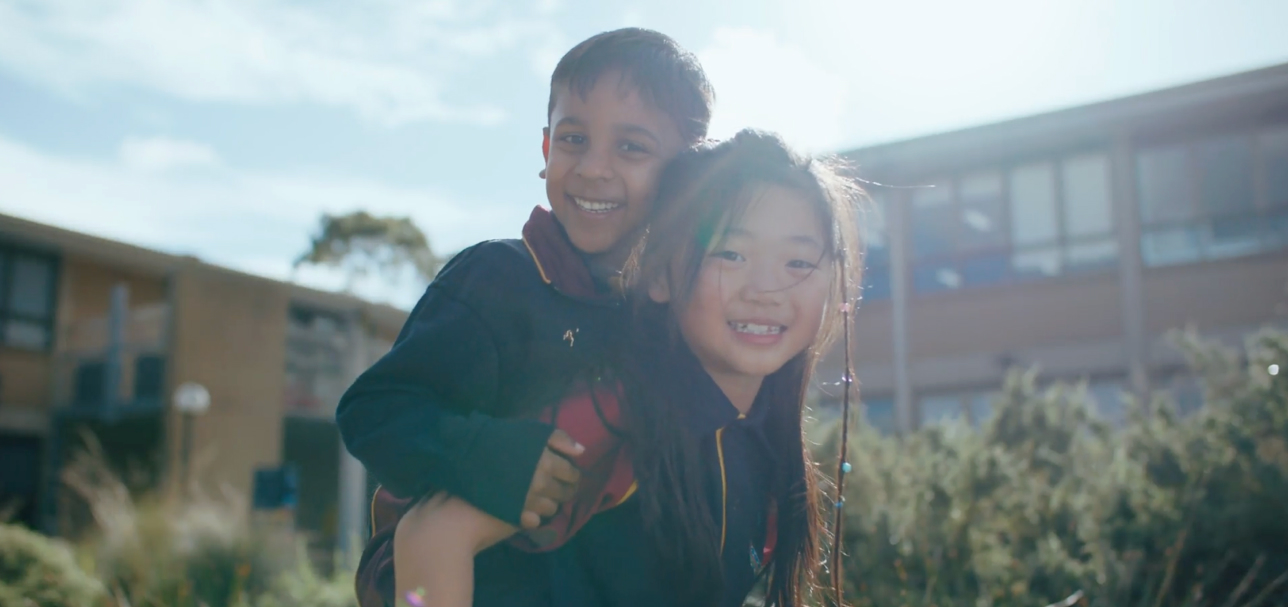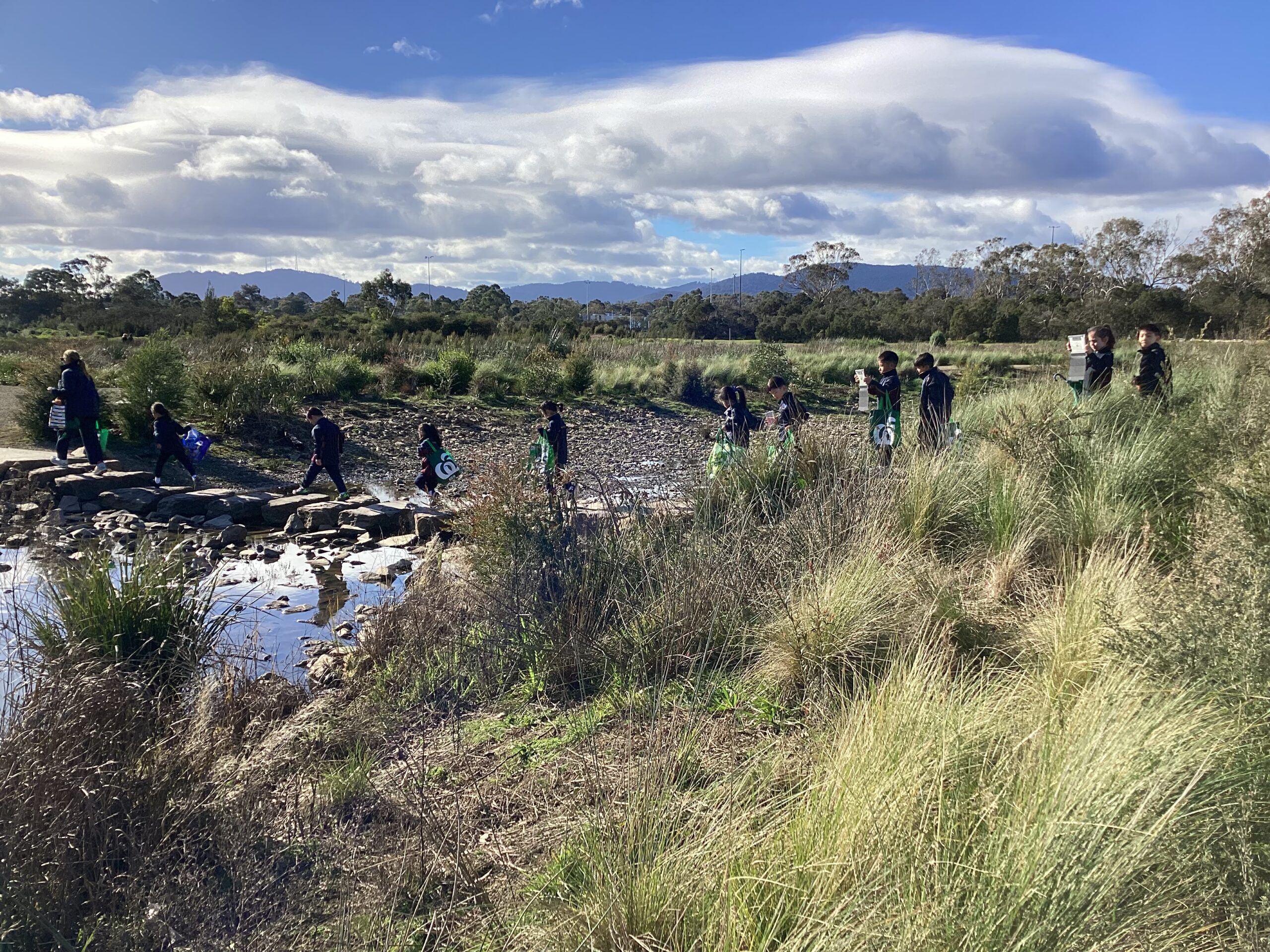
The great outdoors became the classroom for our Year 1 students as they ventured to Lewis Park and Blind Creek in Wantirna South as part of their current Inquiry Unit exploring living things, habitats and the connections that exist within our local environment.
Guided by the big question, “How might we partner with our local community to explore how different places meet the basic needs of living things, and use our findings to better understand the relationships between living things and the places where they live?” students embarked on a day of discovery, observation and hands-on learning.
Throughout the excursion, students became young scientists, carefully observing a variety of plants, animals and insects in their natural habitats. They investigated how living things meet their basic needs for food, water, shelter and space, while exploring the important relationships between living things and the environments they call home. Armed with keen eyes and curious minds, students recorded observations, collected evidence and asked thoughtful questions that will continue to shape their learning back in the classroom.
A highlight of the experience was participating in activities connected to Melbourne Water’s Frog Census program at Blind Creek. Through this authentic citizen science initiative, students learned about local frog species and discovered why frogs are considered important indicator species. Their presence can reveal valuable information about the health of waterways and surrounding ecosystems.
As they explored the Blind Creek environment, students investigated the habitat features that support frogs and other living things, while learning about the important role frogs play within food chains and ecosystems. The experience provided a meaningful connection between classroom learning and real-world environmental research.
By contributing observations as part of Melbourne Water’s broader monitoring work, students gained an understanding of how community members, scientists and environmental organisations work together to protect local habitats and biodiversity. More importantly, they saw firsthand how even young learners can play a role in caring for the natural world.
The excursion offered a valuable opportunity for students to deepen their understanding of living things and their environments, while developing a stronger appreciation for the rich biodiversity that exists within our own local community. Through exploration, inquiry and partnership, our Year 1 students are discovering that great learning can happen just beyond the school gates.